
I always enjoyed consuming animal products. Though it’s been over five years since I’ve eaten any meat, I can’t deny that I don’t sometimes crave it, and I continue to occasionally consume animal by-products. The reasons I chose to eat more ethically are pretty standard; I love animals, I’m horrified by factory farming, and think I’m healthier without eating meat. However, over the years I’ve also realized that simply not buying animal products is not a particularly effective way to end animal suffering, especially without being mindful of the numerous other ways I contribute to the meat industry. Recently I’ve begun to embrace a less rigid approach to veganism and I not only feel healthier but feel that my lifestyle is more sustainable, and in many ways has a greater impact on the lives of animals.
Like sexuality, spirituality or anything else one uses to identify themselves, dietary choices are not always something that can be easily explained. For me, being vegetarian is built on the basis of flexibility, and it seems to be working pretty well. It wasn’t always that way. When I first gave up meat I was happy to condemn everyone from ranchers to hunters and fisherman, but I still gladly consumed dairy products as my primary source of protein. I was in denial of the realities of the commercial dairy industry, and was somehow able to justify supporting it while I pointed my finger at other people. Since then my views have evolved, and I’ve come to accept that advocating a meat-free diet may not be the most practical way to support ethical consumerism.
In my experience I have found that some meat-eaters tend to view my lifestyle as privileged, and they aren’t necessarily wrong. When I look at the veg community in the Pacific North West, for example, I see a white-washed group of upper middle class liberals who are devoted to a strict brand of veganism that is not always welcoming to outsiders. A youtube search for vegan recipes brings up a multitude of videos made by urban stay-at-home moms, a demographic that only a small percentage of Americans can relate to. Do I condemn this group of people for their unbending and sometimes unattainable dietary choices? Not at all, I think it’s wonderful that some people have the resources to be healthy vegans and raise vegan families, but I do acknowledge that this is not the reality for many of us. Even I have trouble attaining the nutrient-rich vegetarian diet that I strive for, and I live a block away from Whole Foods. But it is not just the logistics of adopting a completely plant based diet that I struggle with, it is the elitism.
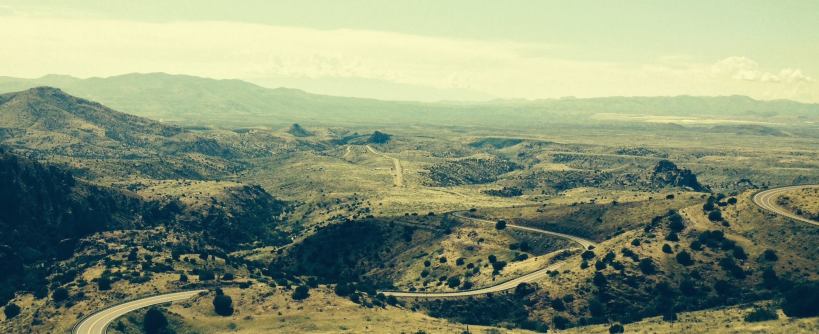
After volunteering on WiMo dairy farm, I was lucky to be able to eat all of the organic milk, eggs, cheese and yogurt that I wanted. While the conditions on the farm were not perfect (as I’ve detailed in some of my older posts) they were so much better than the norm. These cows were valued for more than the milk that they provided, and that made a world of difference. In Boulder, CO, raw milk is a hot commodity, and that is exactly where we sold the majority of our dairy products. Even with the support of the community, it’s important to note that the work required to maintain such an environment is not always economical; the farm I lived on never made a profit for their efforts, and barely broke even. When making a profit is the primary goal of a farm, the ethical standards start to drop significantly. As you can see in the picture above, mass-production dairy feedlots provide a very different reality for animals. As I saw first hand when I rode my bike by the Caballo Dairy in New Mexico, the abuse of veal calves is such standard practice on commercial dairies that farmers don’t even attempt to hide it from the public.
Do I think everybody is ready to embrace raw dairy products from ethical family farms? Though I wish it were the case, I have to say no; not when milk shares start at $20 a gallon. Until there is money to be made in the ethical agricultural business, it seems like it will continue to be an industry only for the elite. In my search for commercial dairies that don’t use veal calves, my results were just as depressing. My goal was to provide a list of cruelty-free brands of milk that are readily available, but I’m sad to say that none of the major commercial brands I researched made the cut. Without readily available cruelty-free dairy options and as most Americans continue to consider dairy to be a staple of their diet, one begins to wonder how best to conquer the high demand for cheap animal products. Instead of trying to find ways around supporting an industry that will always value efficiency over the health of animals, maybe we need to focus less on what we eat and more on where it comes from.
If not being able to give up your favorite foods is what’s keeping you from going veg, by all means, don’t give them up! Maybe you can’t give up your Toblerones and Hershey’s kisses but you’re ready to replace your hormone infused dairy milk with a much healthier plant-based alternative. Maybe you can’t give up any dairy products, but you can support a local farm by buying their pasture-raised beef. This method may not be perfect, but I still think it is a big step in the right direction. It is disconcerting to see two groups of people that are on such polar opposite sides of this issue. Can’t we all agree that supporting small businesses is better than giving all of our money to huge corporations? If so, then buying local is the first step.
If you love animals and you want to make a difference, do whatever you can to reduce your impact on their lives and, more specifically, their deaths. If that means you still enjoy the occasional steak or burger, don’t let that stop you from advocating for animal rights. If you think that confining calves in small cages and forcing them to stay immobile is wrong, take a stand against buying veal. Support ethical farms whenever you can, even if that means buying your steak from them; this part just may be the key to seriously changing the factory farming industry for good. It is up to us to define what the future will look like for livestock animals, and while a vegan world may not be on the nearest horizon, I think that a more ethical, free-range agriculture may be.
 Rove & Ponder